
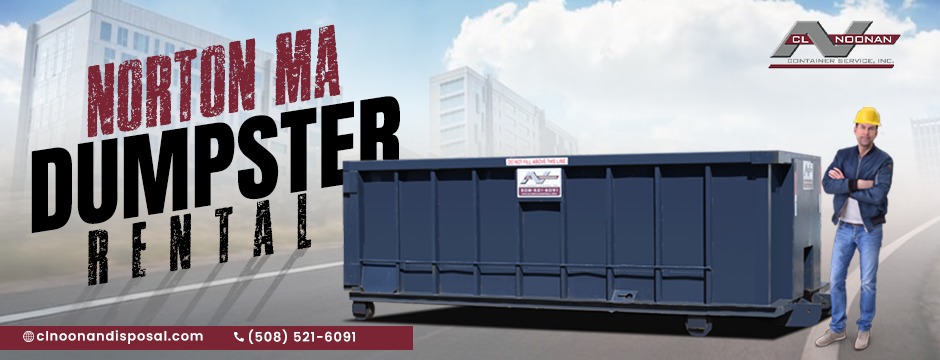
Commercial construction, renovation, and property management projects generate a significant amount of waste that must be handled efficiently to keep worksites safe and organized. Whether it is a large-scale build, a retail renovation, or routine facility maintenance, having a dependable waste disposal solution is essential. A well-planned Norton MA dumpster rental service helps businesses manage debris removal smoothly while maintaining productivity and compliance with local disposal requirements.
From demolition materials to packaging waste, commercial projects require a structured approach to waste management. Choosing the right dumpster solution ensures that job sites remain clear, workers stay safe, and project timelines are not disrupted by unnecessary delays in waste removal.
Planning Waste Management for Commercial Projects
Effective waste planning is one of the first steps in any successful commercial project. Contractors and site managers must estimate the type and volume of debris expected throughout the project lifecycle. This includes materials such as wood, metal, drywall, concrete, and general construction waste.
When organizing a Norton MA dumpster rental, businesses typically assess the project size and duration to determine the appropriate container capacity and pickup schedule. Smaller renovations may only require a single mid-sized container, while large construction sites may need multiple units or scheduled swaps to handle continuous debris generation.
Proper planning also involves identifying placement locations for dumpsters. They should be positioned in accessible areas that do not interfere with equipment movement or site operations. This helps streamline loading and prevents workflow interruptions. Additionally, coordinating delivery and pickup schedules in advance ensures that waste does not accumulate and hinder progress.
Commercial sites benefit significantly from structured waste removal planning because it reduces downtime and improves overall site efficiency.
Choosing the Right Dumpster Size and Material Handling
Selecting the correct dumpster size is a critical factor in maintaining efficiency and controlling costs. Commercial projects often generate unpredictable volumes of waste, so choosing a container that matches the scale of the job is important.
With Norton MA dumpster rental, businesses can typically choose from a range of container sizes suited for different project demands. Smaller containers are ideal for interior renovations or tenant improvements, while larger containers are better suited for demolition work, roofing projects, and full-scale construction.
Understanding material types is equally important. Heavy materials like concrete, bricks, and asphalt require special consideration due to weight restrictions. On the other hand, lighter debris such as packaging materials, insulation, and wood framing can fill larger volumes without exceeding weight limits.
Proper segregation of materials can also improve efficiency. Keeping recyclable materials separate from general waste helps streamline disposal and may reduce environmental impact. Many commercial contractors adopt sorting practices on-site to ensure smoother handling during pickup and disposal.
By aligning dumpster size, material type, and project scope, businesses can avoid unnecessary overages and ensure a more cost-effective waste management process.
Scheduling, Site Efficiency, and Regulatory Considerations
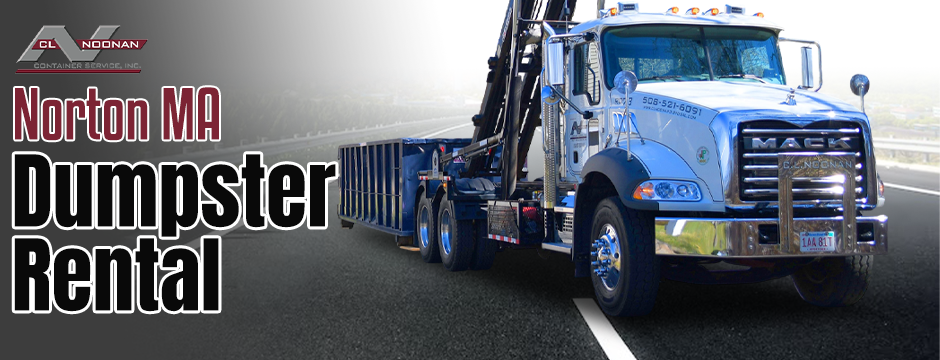
Timing plays a major role in commercial waste management. Delays in debris removal can quickly lead to overcrowded job sites, safety hazards, and reduced productivity. Establishing a consistent pickup and replacement schedule ensures that waste is removed before it becomes a problem.
A well-coordinated Norton MA dumpster rental strategy also supports site safety compliance. Construction zones are required to maintain clear pathways and minimize hazards caused by debris accumulation. Proper waste containment helps reduce risks such as trips, falls, and equipment obstructions.
In addition to operational efficiency, regulatory compliance is another key factor. Commercial projects must follow local and regional disposal guidelines, especially when handling materials such as treated wood, metals, or potentially hazardous waste. Understanding these regulations in advance helps avoid penalties and ensures responsible disposal practices.
Efficient scheduling also allows project managers to better allocate labor resources. Workers spend less time managing waste and more time focusing on core construction or renovation tasks. This improves overall productivity and keeps projects on track.
For larger developments, coordinating multiple dumpster rotations may be necessary. This ensures continuous availability of waste containers without disrupting ongoing operations.
Environmental Responsibility in Commercial Waste Disposal
Modern commercial projects are increasingly focused on sustainability and environmental responsibility. Proper waste management plays an important role in reducing landfill impact and promoting recycling initiatives.
Construction and demolition materials often contain recyclable components such as metal, wood, and concrete. By separating and processing these materials correctly, businesses can significantly reduce environmental impact. Many waste management strategies now prioritize diversion from landfills wherever possible.
Using a structured approach to dumpster rental also supports these environmental goals. When waste is organized efficiently, it becomes easier to identify recyclable materials and ensure they are processed appropriately. This contributes to more sustainable building practices across Eastern Massachusetts and surrounding regions.
Benefits of Efficient Dumpster Management for Businesses
Commercial projects that implement structured waste management systems experience several advantages. These include improved site safety, reduced operational delays, better cost control, and enhanced regulatory compliance.
A reliable dumpster strategy also improves communication between contractors, site managers, and waste handlers. When expectations are clearly defined, scheduling becomes more predictable, and project workflows run more smoothly.
In addition, organized waste removal helps maintain a professional and efficient job site appearance. This is particularly important for commercial properties where clients, inspectors, and stakeholders may frequently visit the site.
Reliable Roll-Off Solutions for Efficient Project Management
At CL Noonan Disposal, we provide dependable roll-off container and demolition trailer services for commercial, industrial, and residential projects across Eastern Massachusetts, Cape Cod, and Southern New Hampshire. With our strategically located facilities in West Bridgewater and Bourne, we ensure fast, efficient service and even night operations when required. We take pride in our in-house maintenance and safety department, allowing us to deliver clean, well-maintained equipment every time. Our team is committed to recycling responsibly through strong partnerships with licensed facilities. From quick deliveries to careful placement with protective boards, we focus on reliability, safety, and customer satisfaction in the project.
Conclusion
Managing waste effectively is a crucial component of any commercial construction or renovation project. From planning and sizing to scheduling and compliance, every stage plays a role in ensuring smooth operations and maintaining site safety. A well-structured Norton MA dumpster rental approach provides businesses with the flexibility and reliability needed to handle debris efficiently while keeping projects on schedule and within regulatory guidelines.